All You Need To Learn About Skin Tags From Your Family Practitioner
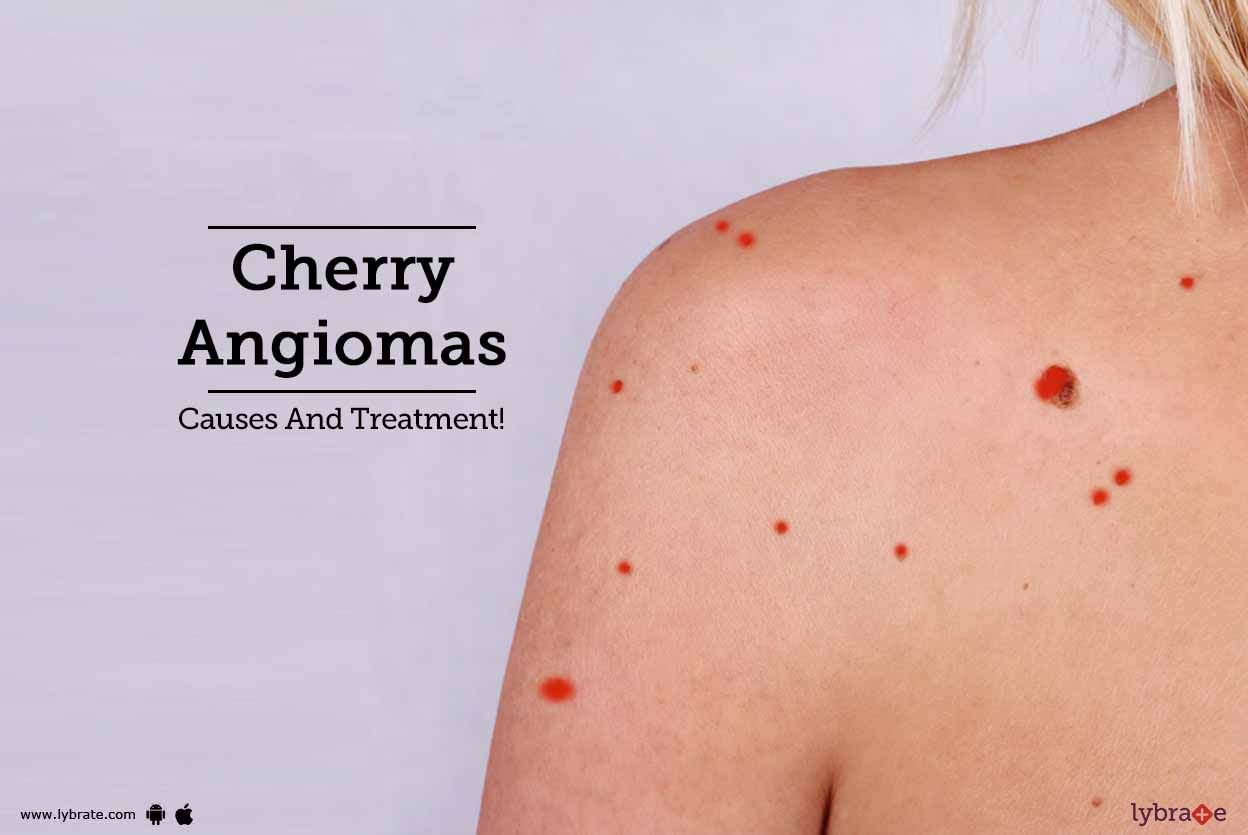
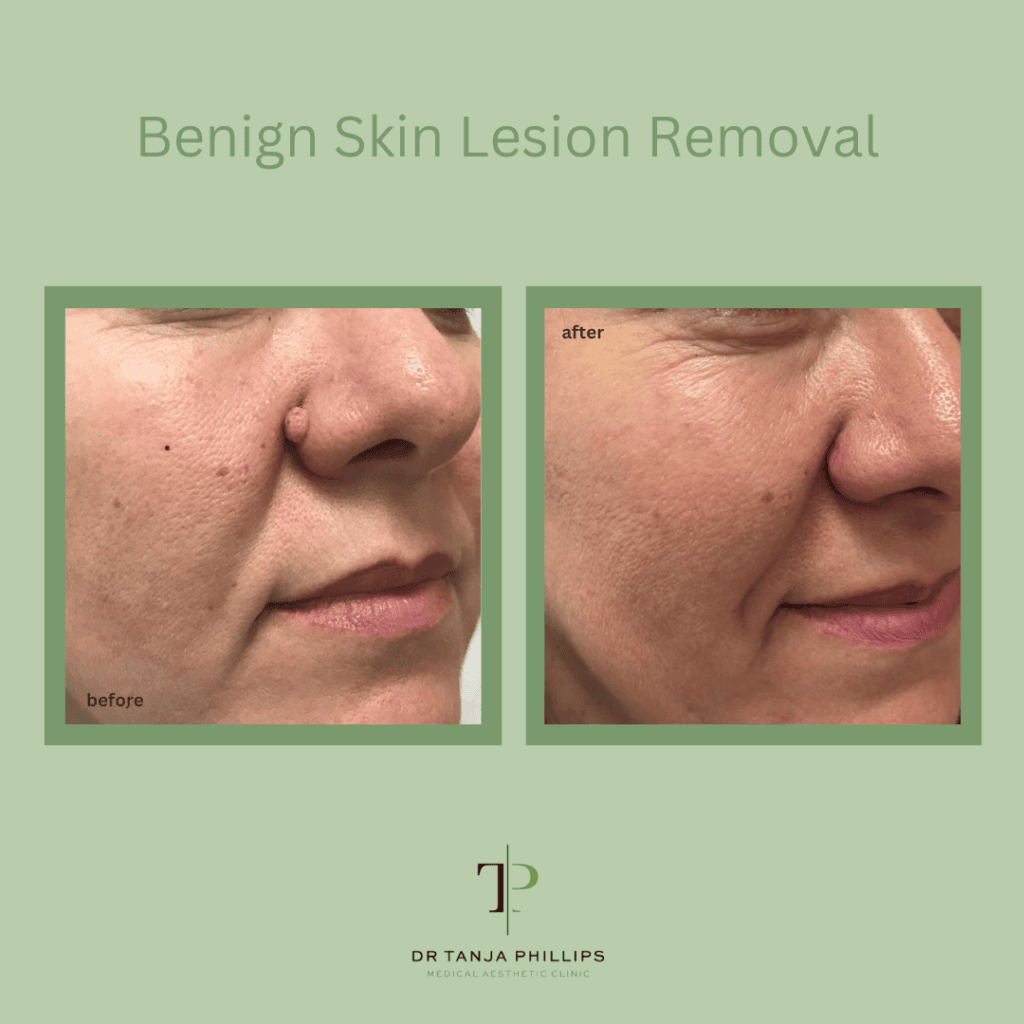
Skin Tag Questions Answered However, while a lot of skin tags are safe, it is very Seborrheic Keratosis important to ensure the growth truly is a skin tag and not something else. Some skin cancers cells or uncommon moles can look similar, especially to the untrained eye. A doctor or dermatologist can securely and easily get rid of skin tags with marginal pain and scarring. This is done by trimming them off with a sharp, sterile blade, freezing with liquid nitrogen or melting them off with cautery.
Tldr-- Fast Overview
If a skin tag maintains obtaining gotten on lockets, clothes, or razors, it can become painful, bleed, or get infected. In these situations, it makes sense to remove skin tags properly instead of attempting to deal with the inflammation long-lasting. Skin tags are soft pieces of skin that hang from the surface area by a slim stalk, called a peduncle. They're comprised of collagen fibers, skin cells, and small capillary, which give them their versatile appearance. Many are skin-colored, though some might be slightly darker. A tag may end up being twisted, creating an embolism that causes discomfort, or the skin at the base of the tag might come to be red and sore.What Can Fail With Do It Yourself Skin Tag Elimination?
Keeping high-friction areas completely dry is one more preventative action. Under the busts, in the groin, and under the arms are all typical spots for tags to create. Making use of a mild powder or moisture-wicking fabric can make a distinction. Hopefully, this has cleared up some of your questions about skin tags. For more information, or if you have additional issues, contact your general practitioner. Discover a Baptist Wellness supplier near you today, or established a digital treatment appointment. While it is true that it's possible to establish added skin tags, eliminating one doesn't create new ones. Further, skin tags are not infectious either, like various other skin conditions such as warts.- These growths can show up on any kind of part of your body, however they're most likely to create in areas where skin rubs versus skin, producing friction.
- Although this irritation likely isn't the signal of a larger clinical issue, it can be unpleasant and can be a factor to review your skin tag with a local dermatologist.
- Friction isn't the only contributing element, nevertheless; your hereditary make-up plays a huge function in whether a person will certainly create skin tags.
- Although likely to be harmless, they can look similar to numerous sorts of dangerous skin cancers.
Surgical Removal
They affix to the skin with a thin, fleshy cylinder called a stalk. When they do, non-surgical skin tag elimination offers a safe and effective way to manage them. Most skin tags are detected with a basic visual examination. A qualified supplier can validate that the growth is safe and not one more kind of skin sore.What does a cancerous skin tag seem like?
Skin Marks: These developments typically have a smooth and soft appearance. Skin Cancer Growth: Skin cancer cells lesions might exhibit uneven borders, asymmetry, and a transforming appearance, which can include areas that feel rough or scaly.